
What to Do in the First 48 Hours After Storm Damage to Your Roof
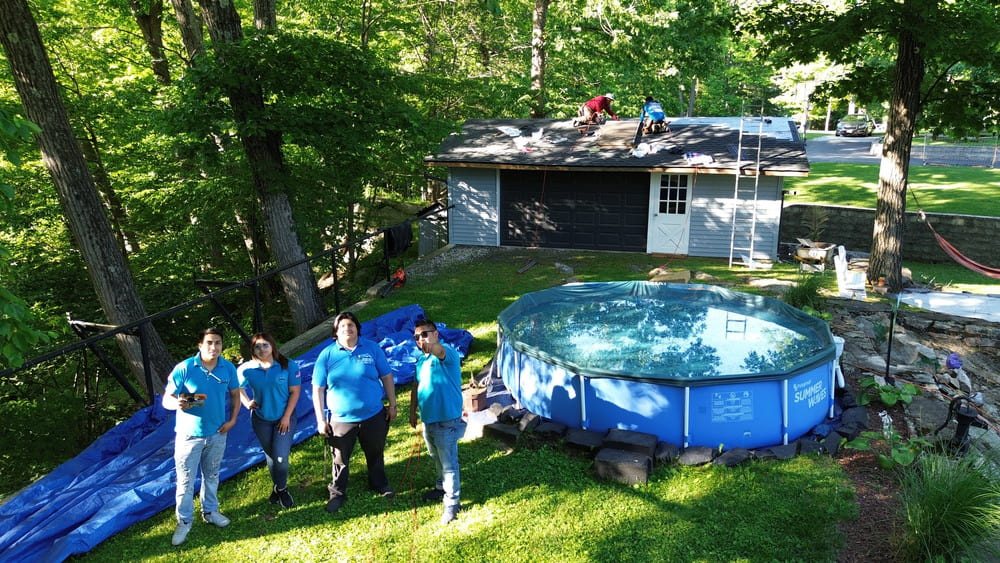
A bad storm can leave you with a storm damage roof and a dozen urgent questions — missing shingles, a leaking ceiling, and no idea what to do first. What you do in the first 48 hours can make the difference between a smooth insurance claim and a drawn-out, expensive headache. Here's exactly what to do, in order.
1. Make Sure Everyone Is Safe First
Before you think about shingles or insurance paperwork, check that your home is safe to be in. Stay away from any room with active water intrusion near electrical outlets or fixtures, and if you see sagging ceilings, exposed wiring, or a partially collapsed structure, leave the area and call a professional immediately. Storm damage roof situations can hide bigger structural problems than what's visible from the ground, so when in doubt, treat it as serious until a professional tells you otherwise.
2. Document the Damage With Photos and Video

As soon as it's safe, walk the property and take clear photos and video of everything: missing or curled shingles, dented gutters, debris on the roof, water stains on ceilings, and any damaged siding or windows. Shoot wide shots that show the full roof line and close-ups of specific damage. This documentation becomes the backbone of your roof insurance claim, and the more thorough it is now, the less back-and-forth you'll have with your adjuster later. If you're not comfortable getting on a ladder, photograph what you can safely see from the ground and let a professional handle the roof-level inspection.
3. Get Emergency Roof Tarping to Stop Further Damage
If shingles are missing or you can see daylight through the roof deck, water is going to keep getting in with every hour that passes — and every hour adds to the damage. This is where emergency roof tarping matters most: a properly secured tarp stops active leaks, protects your insulation and drywall from further water damage, and shows your insurance company that you took reasonable steps to prevent the damage from getting worse. Most insurance policies actually expect this step, and delaying it can occasionally complicate a claim. A licensed roofing contractor can usually get emergency tarping done within hours of your call, day or night.
4. Start Your Roof Insurance Claim Right Away
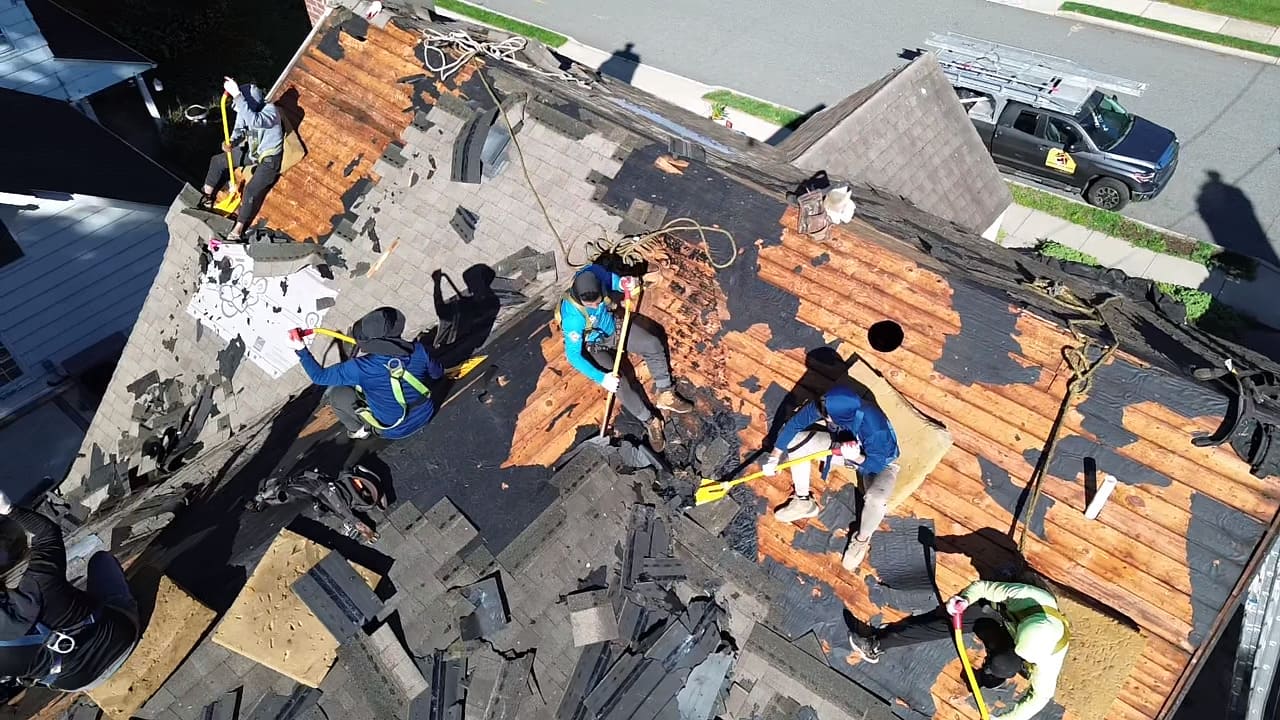
Call your insurance company as soon as you've documented the damage and secured the roof. Ask for your claim number, write down the name of your adjuster, and keep a simple log of every call, email, and inspection date. The Insurance Information Institute's guide to filing a homeowners claim is a solid outside reference if you want to understand the general process before you call. The sooner your storm damage roof repair claim is opened, the sooner an adjuster gets scheduled — and the sooner you get an approved scope of work. If the idea of dealing with an adjuster on your own feels overwhelming, a roofing contractor who works with insurance claims regularly can meet the adjuster on-site with you and make sure nothing gets missed or undervalued.
5. Schedule a Professional Roof Inspection
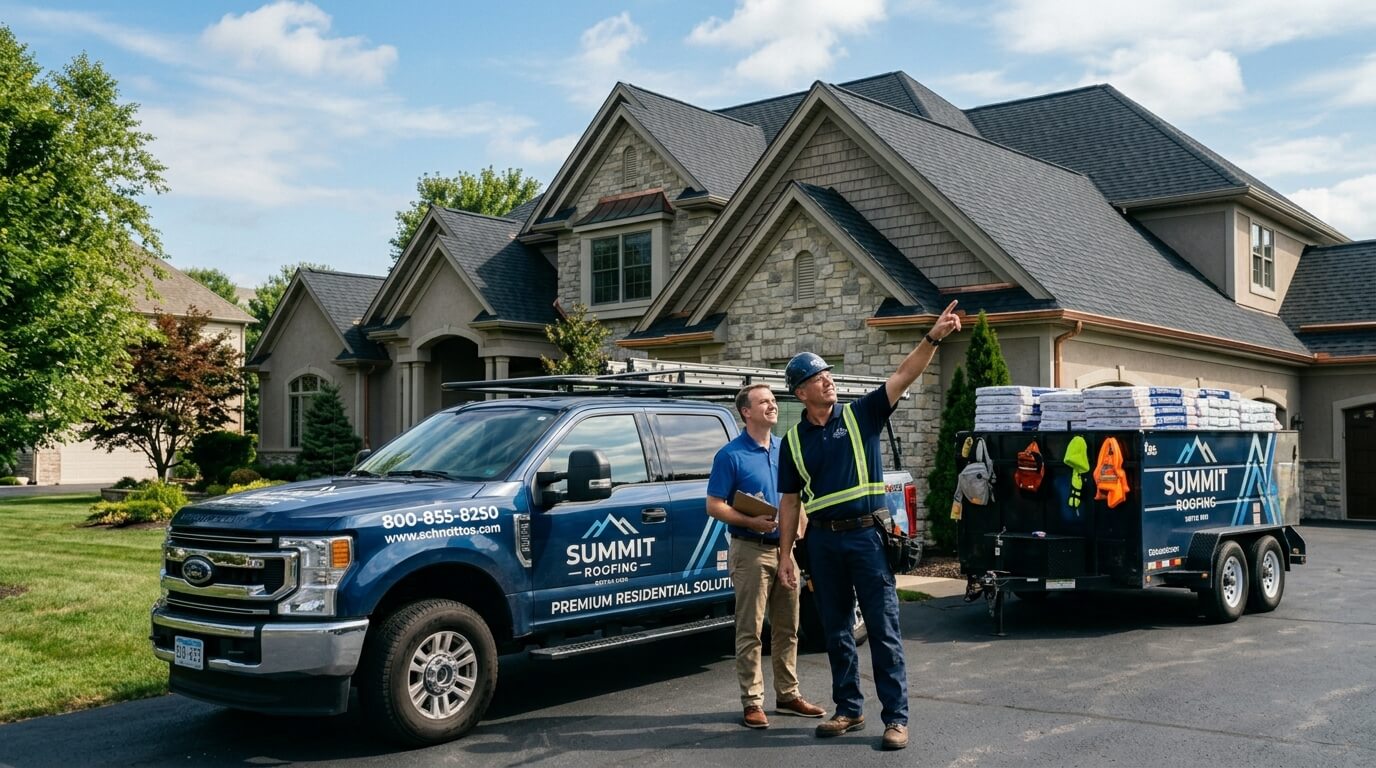
Even if the damage looks minor from the ground, get a professional roof inspection within the first day or two. Wind and hail damage often hides in places you can't see safely from a ladder — under shingle tabs, around flashing, and inside the attic. A written inspection report with photos gives you (and your insurance adjuster) a clear, professional record of the roof's condition immediately after the storm, which strengthens your claim and helps you avoid disputes over what damage was actually storm-related.
6. Avoid These Common Mistakes
- Don't wait to report the damage. Most policies have a window for filing a claim, and delays can raise questions about when the damage actually happened.
- Don't sign anything from a door-to-door contractor on the spot. Storms attract unlicensed "storm chasers." Always verify licensing and insurance before agreeing to any work.
- Don't skip the tarp because it seems minor. Small leaks become big, expensive problems within days if left exposed.
- Don't accept the first estimate without a second opinion if something about the adjuster's scope doesn't match what your contractor found on the roof.
- Don't assume you have no recourse if a claim feels unfair. The New Jersey Department of Banking and Insurance's guidance on storm-related claims explains your rights as a policyholder and how to escalate a dispute if needed.
7. Let the Pros Handle the Storm Damage Roof Repair
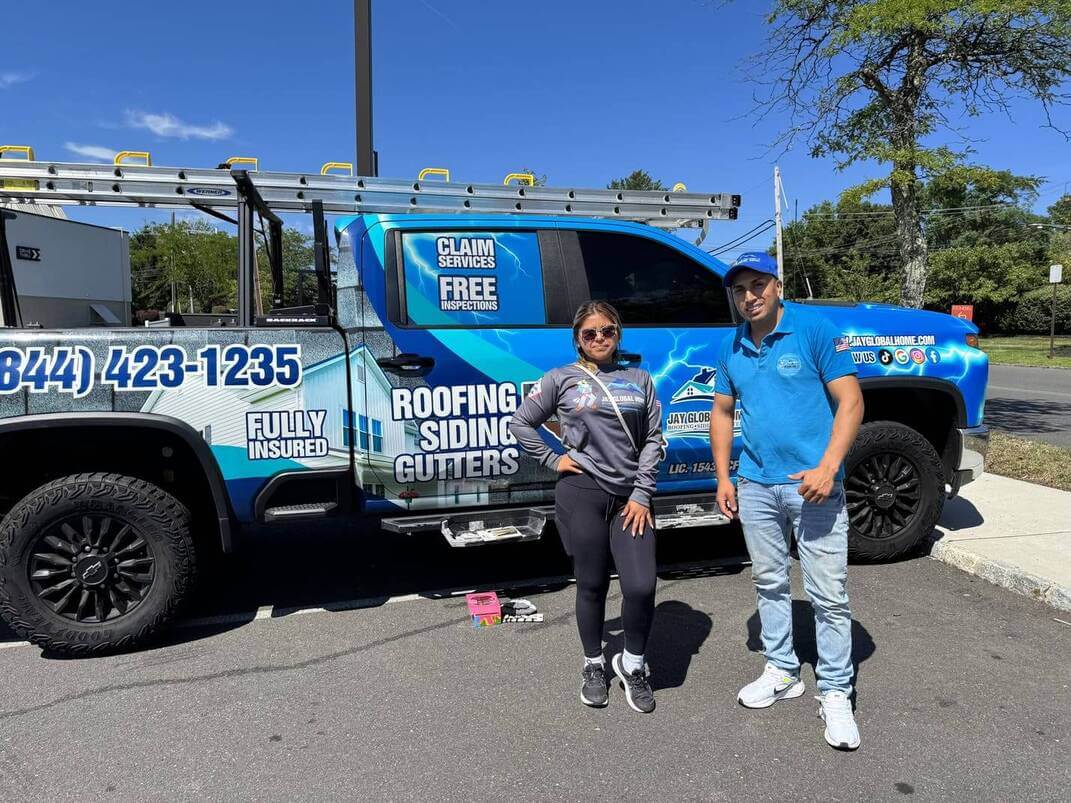
Once your claim is open and the roof is temporarily secured, the last step is getting the actual repair or replacement done right. A qualified roofing contractor will work from the approved insurance scope, use the materials your policy covers, and make sure the finished roof meets code and manufacturer requirements — so you're not stuck patching problems again next season.
At Jay Global Home, this is exactly the process we walk homeowners through every time a storm hits: free inspection, full documentation, direct communication with your adjuster, and emergency tarping available 24/7. If a storm just came through and you're not sure where to start, request a free inspection and we'll walk you through the next 48 hours together.
Common Storm Damage Patterns We See in Essex County, NJ
Homes in West Orange and across Essex County typically deal with two kinds of storm damage: wind-driven damage from nor'easters and summer thunderstorms (lifted or missing shingles, exposed underlayment, damaged flashing around chimneys and vents), and water intrusion that shows up days later as ceiling stains once water has already tracked through the decking. Older homes with original flashing or roofs that are already near the end of their expected lifespan tend to show damage faster and worse than newer, well-maintained roofs hit by the same storm.
If you're not sure whether what you're looking at is storm damage or just normal wear that a storm exposed, that distinction matters for your insurance claim — see our guide on how to tell what your roof actually needs.
Frequently Asked Questions About Storm Damage Roof Repair
How do I know if my roof has storm damage?
Look for missing, cracked, or lifted shingles, granules collecting in gutters, dented flashing or vents, and any new ceiling stains or water spots inside the home. When in doubt, a professional inspection is the safest way to know for sure.
Will homeowners insurance cover storm damage?
In most cases, yes — wind and storm damage are standard covered perils. What actually gets approved and how much you're paid depends on your policy and how the claim is documented. Our guide on what insurance adjusters don't tell you covers what to watch for during that process.
How fast can emergency roof tarping be done?
We offer 24/7 emergency tarping and can typically get to a property in West Orange and surrounding Essex County towns the same day a storm passes, weather permitting.
Should I get multiple repair estimates after storm damage?
It's reasonable to, but make sure any contractor you compare against is properly licensed and insured. A good estimate should also tell you honestly whether your roof needs a repair or a full replacement — not just quote whatever gets the job.
What if the damage turns out to need a full roof replacement?
That's common with older roofs hit by a significant storm. See our breakdown of repair vs. replacement and what each typically costs in New Jersey.
How It Works When You Choose Jay Global Home
Storm damage is stressful enough — dealing with the insurance company shouldn’t add to it. Here’s exactly what we handle for you, start to finish:
Free Damage Inspection
We walk the roof and document every bit of damage at no cost to you — no obligation, no pressure.
We File & Manage Your Claim
We file the insurance claim directly with your carrier and meet the adjuster on-site, so you’re not stuck on hold or buried in paperwork.
You Only Pay Your Deductible
Once the claim is approved, your only out-of-pocket cost is your insurance deductible — we handle the rest directly with your insurer.