
5 Things Insurance Adjusters Don't Tell You About Roof Claims
A roofing claims adjuster isn't lying to you, exactly — but they're also not required to volunteer information that works in your favor. They're trained to evaluate damage efficiently and settle claims within their carrier's guidelines, which isn't always the same thing as getting you everything you're entitled to. Here are five things most homeowners don't find out until after the check is already cut.
1. The Adjuster Works for the Insurance Company, Not You
This is the single most important thing to understand going into any roof claim: the adjuster's job is to protect the insurance company's bottom line while staying within state regulations. That doesn't mean they're adversarial or dishonest — most are simply doing their job within a system designed around cost control. It just means nobody on that first inspection is working exclusively for your interests, which is exactly why having your own roofing contractor present matters.
2. Their First Offer Is a Starting Point, Not a Final Number
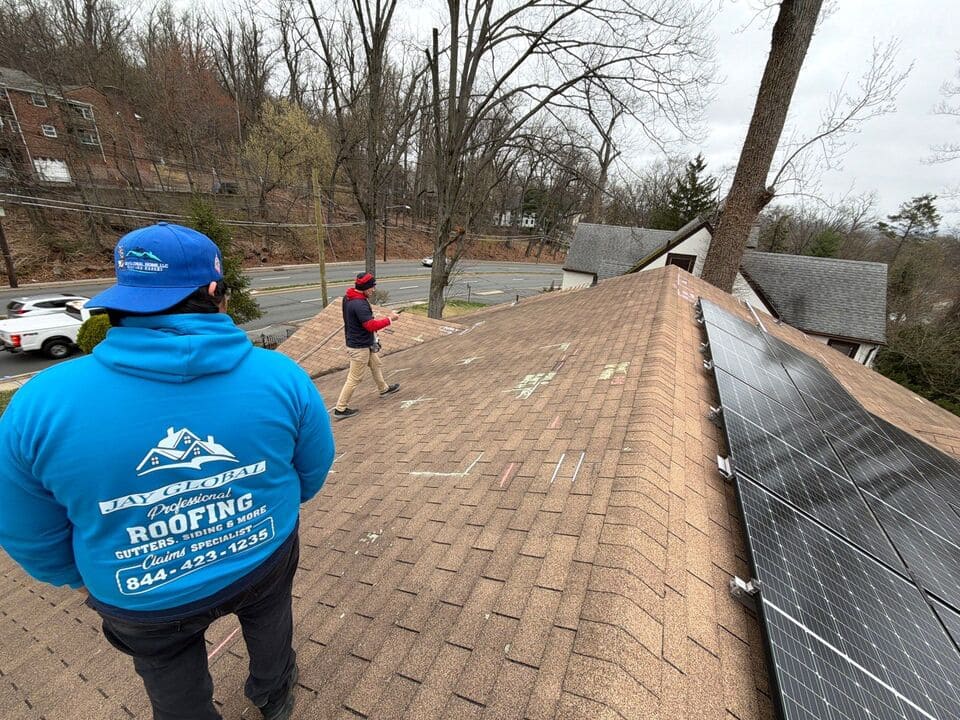
Many homeowners assume the number on the adjuster's report is fixed. It isn't. Estimates are based on what the adjuster could see and measure during a single visit, and it's common for damage to be underestimated — especially with a roof adjuster working through several properties in the same storm-damaged neighborhood in one day. If your own contractor's inspection turns up damage the adjuster missed (a common occurrence with hail bruising or wind-lifted shingles that aren't visible from the ground), you can submit that documentation and request a re-evaluation.
3. You Have the Right to Get Your Own Roofing Contractor's Estimate
Nothing obligates you to accept the insurance company's scope of work without a second opinion. A licensed roofing contractor who regularly works with hail damage roof insurance claim cases can walk the roof with you, document anything the adjuster's report left out, and communicate directly with the adjuster to reconcile the two estimates. This is standard practice, not a confrontation — and it's one of the most effective ways to make sure your payout actually covers the real cost of repair.
4. Depreciation Can Quietly Shrink Your Payout
If your policy pays replacement cost value (RCV), you typically won't receive the full amount up front. Insurers usually pay the actual cash value first — the replacement cost minus "recoverable depreciation" — and release the rest once the work is completed and receipts are submitted. Roofing materials commonly depreciate 3–5% per year depending on the material, so on an older roof that holdback can be a meaningful chunk of money. The National Association of Insurance Commissioners' guide to replacement cost vs. actual cash value breaks this down in plain language and is worth reading before you sign anything.
5. There's Usually a Deadline to Appeal a Denied or Underpaid Claim
If you get a roof claim denied letter or a settlement that feels too low, you're not out of options — but you are on the clock. Most policies set a window for disputing a decision or submitting additional documentation, and missing it can close the door on an otherwise valid claim. New Jersey homeowners can lean on the NJ Department of Banking and Insurance's guidance on storm-related claims to understand your rights and how to formally escalate a dispute. For larger or more complex losses, some homeowners also choose to bring in a public adjuster roofing specialist who negotiates the claim on their behalf for a percentage of the payout.
Know What You're Walking Into
None of this means you need to distrust every adjuster you talk to — most are professional and fair. It just means the process goes a lot smoother when you walk in informed, with your own documentation and your own contractor in your corner. If you haven't already, start with our guide on what to do in the first 48 hours after storm damage — it covers exactly how to document damage the right way from day one.
At Jay Global Home, we sit in on adjuster meetings with homeowners every week. If you want someone in your corner who speaks the same language as the insurance company, request a free claim review and we'll walk the roof with you.
How This Plays Out for Storm Damage Claims in New Jersey
Essex County sees its share of nor'easters and summer thunderstorms strong enough to cause real roof damage, which means roof insurance claims are common here — and so are the same adjuster tactics described above. New Jersey homeowners have specific rights worth knowing: under state law, insurers must acknowledge a claim within 10 working days and either accept or deny it within a reasonable timeframe after that. If you believe a claim was wrongly denied or underpaid, you can file a complaint with the NJ Department of Banking and Insurance, which oversees exactly these disputes.
One of the biggest points of confusion we see in claims is the difference between Replacement Cost Value (RCV) and Actual Cash Value (ACV) — it directly determines how much of your payout you actually see upfront versus after the work is done. We break this down fully in our RCV vs. ACV roof insurance guide.
Frequently Asked Questions About Roof Insurance Claims
How long do I have to file a roof insurance claim in New Jersey?
Most policies require claims to be reported "promptly" or within a specific window (often one year), but the sooner you file after storm damage, the stronger your claim tends to be. Don't wait to see if a small leak gets worse.
Can a roofing contractor negotiate with my insurance adjuster on my behalf?
A licensed contractor can meet the adjuster on-site, point out damage that may have been missed, and provide a detailed estimate to support your claim — but a public adjuster or attorney is who formally negotiates settlement amounts on your behalf.
What's the difference between RCV and ACV?
RCV pays what it costs to replace your roof today with no deduction for age; ACV pays that amount minus depreciation. See our full RCV vs. ACV breakdown for how this affects your actual check.
Do I need a public adjuster?
Not always. For straightforward claims, a licensed roofing contractor's estimate combined with your own documentation is often enough. Public adjusters can help on larger, contested, or repeatedly denied claims, for a percentage of the payout.
What if I'm still deciding between a repair and a full replacement?
That decision affects what you should be asking your adjuster for. Our guide on roof repair vs. replacement walks through exactly how to tell which one your roof needs before you finalize a claim.
How It Works When You Choose Jay Global Home
Storm damage is stressful enough — dealing with the insurance company shouldn’t add to it. Here’s exactly what we handle for you, start to finish:
Free Damage Inspection
We walk the roof and document every bit of damage at no cost to you — no obligation, no pressure.
We File & Manage Your Claim
We file the insurance claim directly with your carrier and meet the adjuster on-site, so you’re not stuck on hold or buried in paperwork.
You Only Pay Your Deductible
Once the claim is approved, your only out-of-pocket cost is your insurance deductible — we handle the rest directly with your insurer.