A roof leak with water dripping from the ceiling is stressful, especially in the middle of the night. What you do in the first 24 hours decides whether this is a simple repair or a much bigger bill. This is the checklist we give our own customers in North Jersey when they call about an active roof leak.
Step 1: Stay Safe
- Keep water away from electricity. If water is near light fixtures, outlets or the electrical panel, turn off power to that area at the breaker if you can do it safely, and call an electrician.
- Watch for a sagging ceiling. A bulging, water-filled ceiling can collapse. Keep people and pets away from it.
- Never go on the roof during rain, wind, snow or ice, or at night. Most roofing injuries happen to homeowners trying to fix a leak themselves.
Step 2: Control the Water Inside
- Put buckets or containers under the drip, with a towel inside to stop splashing.
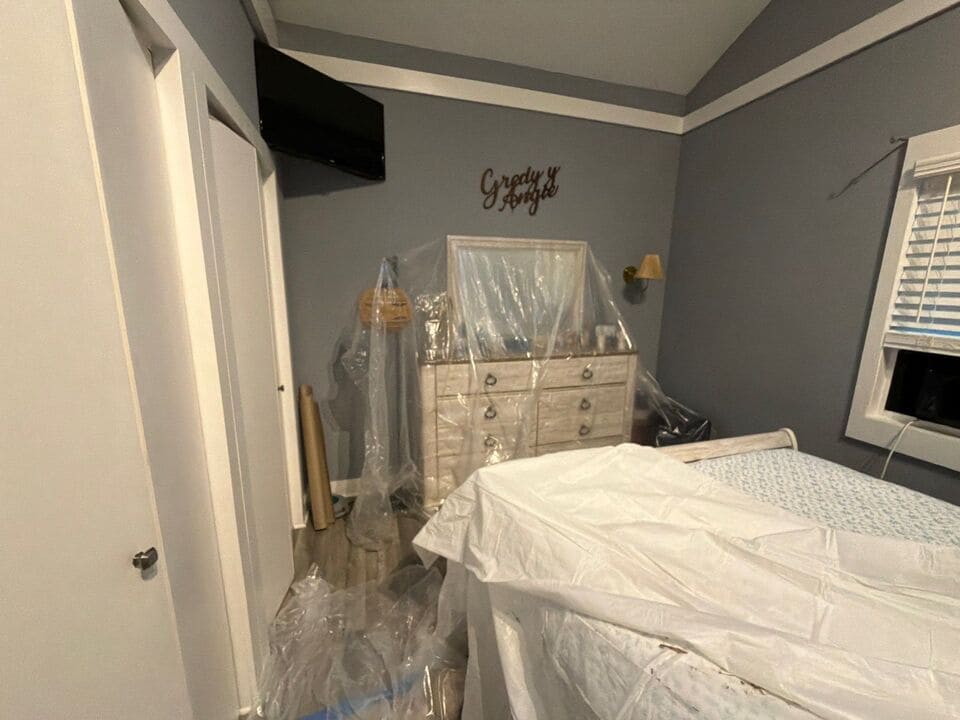
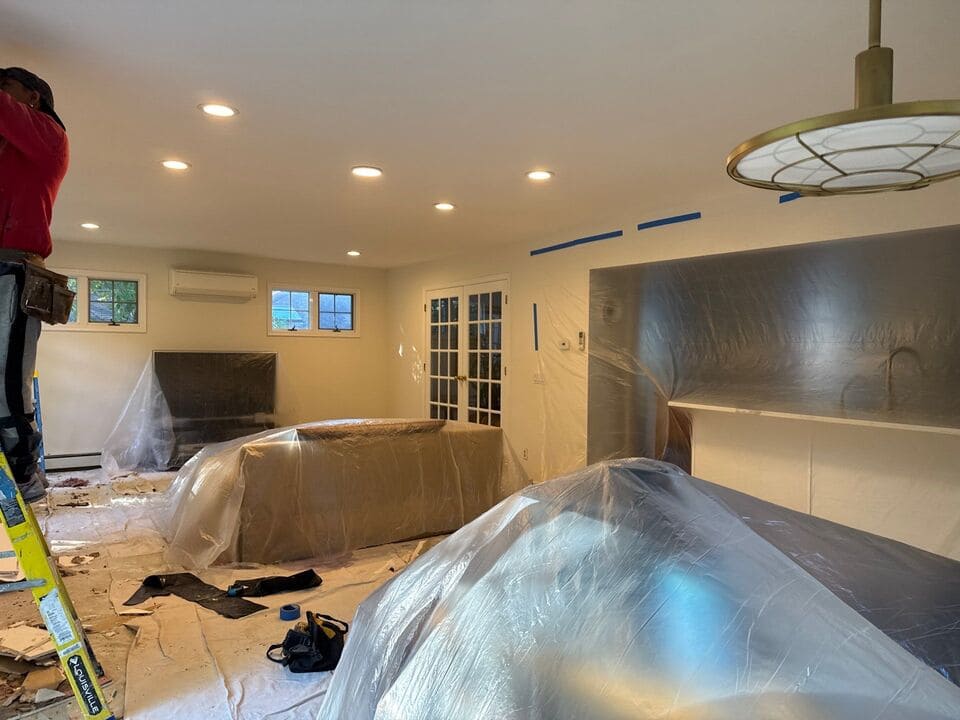
- Move furniture, rugs and electronics out of the way, or cover them with plastic.
- If the ceiling is bulging with water, a small hole in the center of the bulge with a screwdriver lets it drain into a bucket in a controlled way. Only do this if you feel safe doing it.
- Check the attic, if you can reach it safely. Put a bucket or a board under the drip and move wet insulation away.
Step 3: Document Everything
Before you clean up, take photos and short videos of the ceiling, the walls, the floor and any damaged belongings, plus the outside of the roof from the ground. Write down the date and the weather. If the leak was caused by a storm, these photos are key to an insurance claim.
Step 4: Find the Source of the Roof Leak
Water travels along rafters and pipes, so the leak on your ceiling is often several feet away from the hole in your roof. The most common sources we find in North Jersey homes are:
Flashing
Around chimneys, skylights and walls. The number one cause of leaks we repair.
Pipe boots
The rubber seal around plumbing vents cracks after 10 to 15 years in the sun.
Missing or lifted shingles
Usually after strong wind. Often invisible from the street.
Ice dams and gutters
In winter, ice dams and clogged gutters push water under the shingles at the eaves.
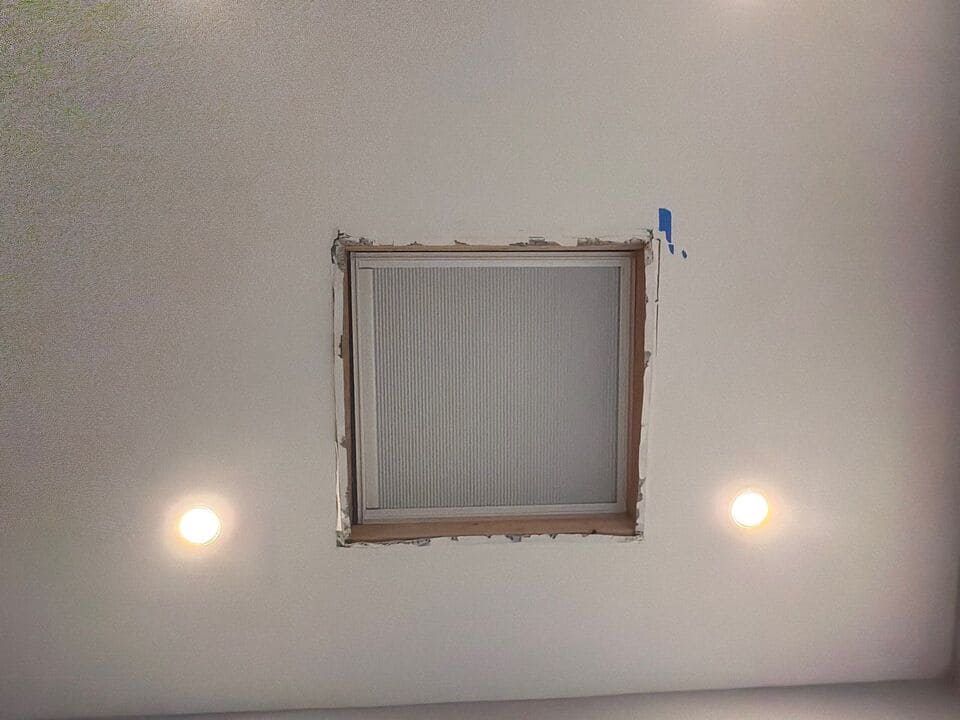
Skylights are also a frequent source. Old skylights leak at the frame or the flashing, and water often shows up on the ceiling around them.
Step 5: Call a Licensed Roofer (and Maybe Your Insurer)
A roofer can install an emergency tarp, find the real source and tell you if it's a simple repair or a sign of a bigger problem. If a storm, wind, hail or a fallen tree caused the leak, call your insurance company to report the claim. Most policies expect you to report damage promptly and to take reasonable steps, like tarping, to prevent more damage. The NJ Department of Banking and Insurance also publishes consumer guides on homeowners claims.
Not sure if your roof leak is covered? Try our roof insurance coverage checker. Leak caused by a storm? Read what to do in the first 48 hours after storm damage.
Step 6: Dry Out and Watch for Mold
Wet drywall, insulation and wood can start growing mold within 24 to 48 hours. Open windows if the weather allows, run fans and a dehumidifier, and remove soaked insulation and carpet padding. Ceilings that stay stained, soft or sagging after drying should be replaced.
What Not to Do During a Roof Leak
- Don't climb on a wet or icy roof.
- Don't wait for "the next dry week" to call. Every rain makes the damage worse and harder to claim.
- Don't sign with a door-to-door contractor on the spot. Ask for the New Jersey HIC registration number and a local address.
- Don't throw away damaged items before you photograph them.
Roof leaking? We can help today.
Emergency tarping, leak detection and repair across Essex, Morris, Sussex and Union County.
📞 Call 24/7: (844) 423-1235Emergency roof repairFrequently Asked Questions
Is a roof leak an emergency?
An active leak is urgent. Water damages ceilings, insulation and wiring quickly, and it can lead to mold within a day or two. Call a roofer for emergency tarping as soon as it is safe.
How much does it cost to fix a roof leak in New Jersey?
Simple leak repairs like a pipe boot or a few shingles often cost $300 to $900. Flashing repairs cost more. See roof repair and replacement costs in NJ.
Will homeowners insurance cover my roof leak?
If the leak was caused by sudden damage like wind, hail or a fallen tree, usually yes. If it was caused by old age or lack of maintenance, usually no.
Why is my roof leaking only when it rains hard or in the wind?
Wind-driven rain gets under lifted shingles and damaged flashing that stay dry in normal rain. It's a sign the roof needs an inspection soon.

Written and reviewed by the Jay Global Home roofing team
Jay Global Home LLC is a New Jersey licensed home improvement contractor (HIC #13VH13555200), insured and GAF Certified, based in West Orange. We handle emergency leaks, roof repairs and interior repairs across Essex, Morris, Sussex and Union County.
How It Works When You Choose Jay Global Home
Storm damage is stressful enough — dealing with the insurance company shouldn’t add to it. Here’s exactly what we handle for you, start to finish:
Free Damage Inspection
We walk the roof and document every bit of damage at no cost to you — no obligation, no pressure.
We File & Manage Your Claim
We file the insurance claim directly with your carrier and meet the adjuster on-site, so you’re not stuck on hold or buried in paperwork.
You Only Pay Your Deductible
Once the claim is approved, your only out-of-pocket cost is your insurance deductible — we handle the rest directly with your insurer.